
 EN
EN
How Blockchain Could Help Make the Joe-Biden-Called Rotterdam of Scranton a Reality - From My Latest for Time Magazine
At the fast-moving world of manufacturing, transparency about raw materials in production is a must. We're committed to transparency We understand that high-quality, safe products are critical to your success, which is why we only use certified raw materials approved by regulatory standards. A groundbreaking new application that could change the way we manage materials in manufacturing is block chain.
How Block chain Technology Enables Material Transparency. The movement toward transparency in the textiles industry has prompted a number of forward-thinking companies to begin exploring new ways to gain visibility into stretching material sourcing chains without relying on third-party auditors or other form of costly, centralized clearing house.
It’s almost liked the digital equivalent of a ledger that tracks transactions transparently and securely. Each block of transactions tells the network about a transaction, and once added, it becomes a part of the permanent record. This tamper-proofing means the data you record on the block chain is accurate.
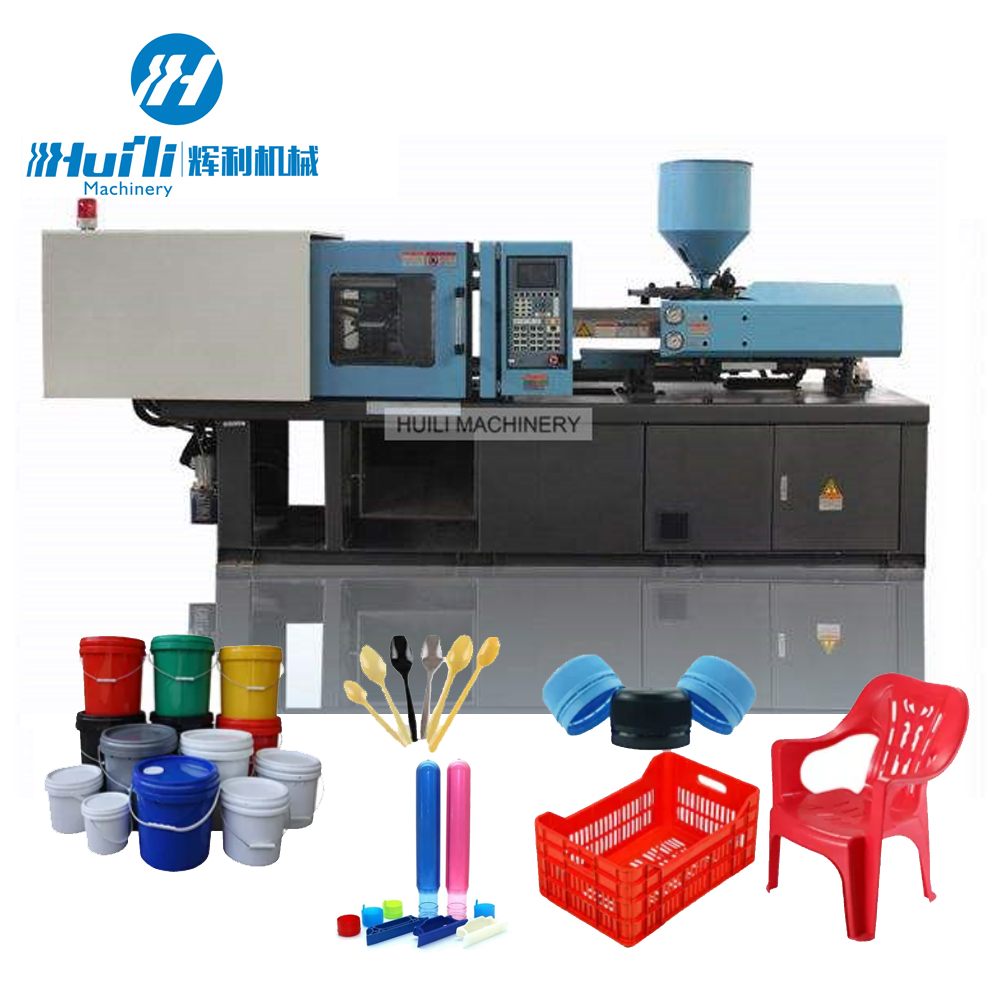
With Injection Moulding Machine, manufacturers like Huili Machinery can trace raw materials back from their product to the origin. All manufacturing steps are reflected on the block chain itself, so we have full transparency who used what materials when. This kind of transparency allows us to guarantee the quality and authenticity of our products, and gives our customers peace-of-mind.
A major advantage of block chains is to increase traceability. If there is a recall or quality problem, we are able to go back to the roots of the problem in block chain records. Not only do they save us time, but they also enable us to take prompt action to put things right in the event of a goof up, and further ensure that our reliable and credible reputation remains undamaged.
Why Material Transparency Matters
In industry material transparency is not a buzzword, but rather a fundamental principle influencing product quality, safety and regulatory compliance. Huili Machinery’s use of material transparency calls for ethical behavior and responsible sourcing; by setting an industry standard, we hope to set a new trend across all CNC vacuum pumps.
Publisher conditions Compliance with this policy may be a condition of publication and all data will be provided to publishers. We can use our block chains to give auditors and regulators access to this information in real time and make compliance easier as far as we are concerned, only ever operating within the law.
And as a bonus, material transparency helps us earn the trust of our customers. The more that consumers understand where the materials in a product come from and how they are processed, the more likely it is that they will prefer our products over competitors. It's that trust that generates the repeat business, referrals, and strong reputation in the market.
Material transparency in manufacturing is heavily dependent on block chain technology. With the use of this cutting-edge technology Huili Machinery can maintain the top-notch quality, product safety and ethical practices. Material Transparency: More important than being a trend, and even more than relying on modern manufacturing principles to compete in the space, material transparency is now a necessity.
Quality and Transparency in Manufacturing
Huili Machinery attach the importance of transparent manufacturing processes to guarantee high quality products. By using block chain, Huili Machinery Manufacturer is able to trace and record every detail of the manufacturing process for 279 well as raw material transportation. This kind of transparency leads to more accountability and traceability, so you can be sure the products you’re receiving are high-quality and safe. Customers can have confidence in the fact that Huili Machinery products are constructed with honesty, utilizing all the available documentation meticulously recorded throughout every step of the production.
:Common Usage and Correctional Information for Material Transparency Compliance
The resultant non-transparency in material compliance is often the result of ad-hoc reporting and documentation approaches. Without such instructions and practices, businesses can find it hard to report precisely about the materials they use in their goods. This may cause discrepancy and incoherence in customer reports, complicating the process of customers' decision making. With the integration of block chain technology, Huili Machinery can simplify and fast track material transparency compliance while also recording all materials in a more streamlined manner for their convenient report on the information that has gone into their products. It makes customers can know the more clearly about the material of pipe production line products.
Getting Down to Business - Why Material Transparency Matters in Manufacturing
There are many advantages for both businesses and consumers when material transparency is practiced in the sphere of manufacturing. Transparency can be a way to establish trust with customers and elevate the brand reputation for companies like Huili Machinery PET Bottle Blow Moulding Machine. Through disclosing the materials that go into their products, companies can exhibit a dedication to excellence and longevity. On the other hand, customers gain transparency allowing better decision making on what they buy. When people have access to what’s actually in products, they can purchase them in line with their values and likes. With only transparency in material applied, material transparency in manufacturing enables more trust, satisfaction and sustainability to companies like Huili machinery.
Table of Contents
- How Blockchain Could Help Make the Joe-Biden-Called Rotterdam of Scranton a Reality - From My Latest for Time Magazine
- Why Material Transparency Matters
- Quality and Transparency in Manufacturing
- :Common Usage and Correctional Information for Material Transparency Compliance
- Getting Down to Business - Why Material Transparency Matters in Manufacturing